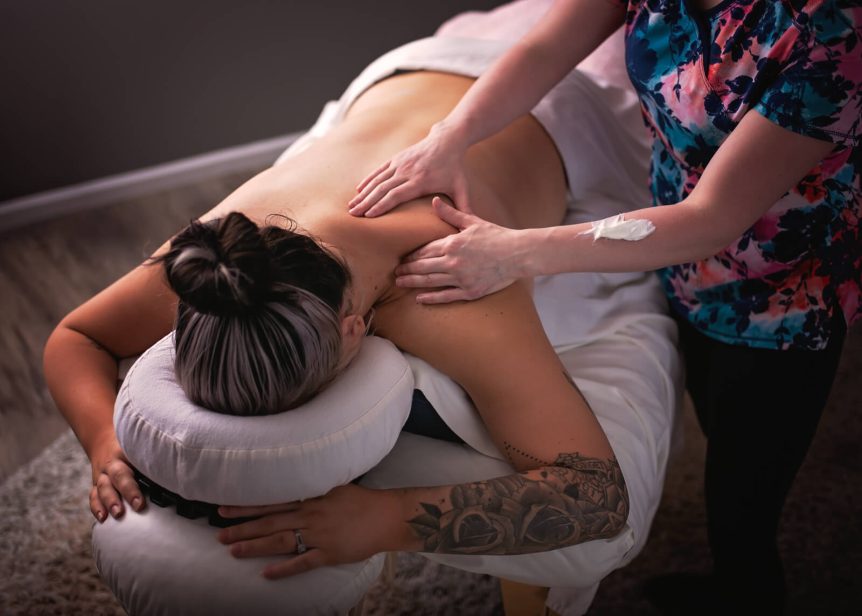
Prenatal massage offers many wonderful benefits for expectant mothers, from soothing muscle tension to reducing stress. However, there are important times when massage might not be recommended to protect your health and the health of your baby. Understanding when to avoid massage is just as important as knowing when to seek it.
High-Risk Pregnancy and Preterm Labor: When Massage Should Be Cautious
If you’re experiencing symptoms or conditions linked to a high-risk pregnancy—such as preterm labor, bleeding, or placenta complications—prenatal massage may be unsafe. Massage can increase circulation and potentially stimulate contractions, which could trigger early labor.
Before scheduling a massage, always consult your healthcare provider if you have:
- Signs of preterm labor (e.g., regular contractions, pelvic pressure, vaginal spotting)
- Placenta previa or abruption
- Severe swelling or preeclampsia
- History of miscarriage or pregnancy complications
Your provider can advise whether massage is safe or if you should postpone treatments until conditions stabilize.
Infection, Inflammation, or Fever: Heal First, Massage Later
If you have an active infection, skin inflammation, or are running a fever, it’s best to avoid massage. Your body needs rest and healing during these times, and massage could potentially worsen inflammation or spread infection.
Blood Clotting Disorders and Deep Vein Thrombosis (DVT): Exercise Extreme Caution
If you have blood clotting disorders or a history of deep vein thrombosis (DVT), prenatal massage may pose risks. Certain massage techniques might dislodge clots or worsen circulation issues. Always get your doctor’s clearance before proceeding.
Severe Nausea or Vomiting: Wait Until You Feel More Comfortable
While massage can ease nausea for many, if you’re experiencing severe morning sickness or hyperemesis gravidarum, it might be better to wait until your symptoms improve. Discuss your individual situation with your therapist, who can tailor or postpone sessions accordingly.
When in Doubt, Always Consult Your Healthcare Provider
Every pregnancy is unique. If you’re unsure whether massage is right for you at any given time, your healthcare provider is your best resource. Communicate openly about your symptoms, concerns, and goals for massage therapy.
Conclusion: Prioritize Safety to Enjoy the Benefits of Prenatal Massage
Prenatal massage can be a safe and effective way to support your pregnancy—when timed correctly. By knowing when to avoid massage and consulting your healthcare professionals, you help ensure a healthy, comfortable pregnancy journey for you and your baby. Always listen to your body and choose care that honors your wellbeing first.
If you have questions about whether massage is right for your specific pregnancy, reach out to a certified prenatal massage therapist or your obstetrician for personalized guidance.